
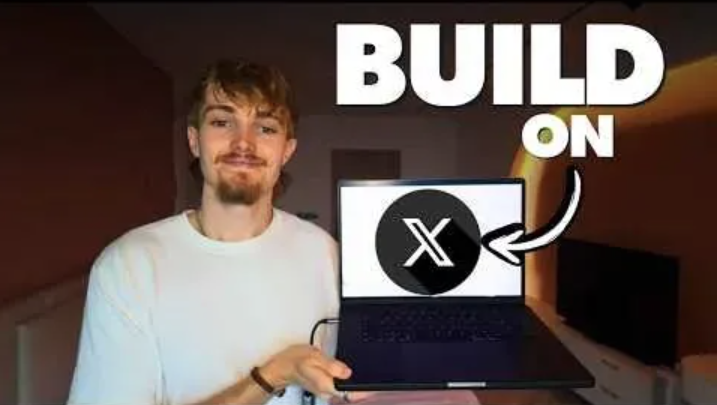
Before anything worked, a lot of things didn’t.
There were multiple projects.
There were long breaks.
There were months with almost no progress.
Nothing looked like success.
He once launched a product called SuperX.
It didn’t go anywhere.
After that, he disappeared for a while —
then quietly came back with a new idea.
He didn’t start with a big launch.
He didn’t announce anything.
He simply began posting small thoughts, experiments, and progress updates online.
At the time, almost no one was paying attention.
But something slowly started to change.
People began to respond.
Then more people joined.
Then messages started coming in.
And before he realized it, the account had passed 34,000 followers.
This wasn’t luck.
It came from a simple system —
one that he later broke down into seven clear steps.
In the next part, we’ll look at the first idea that changed everything.
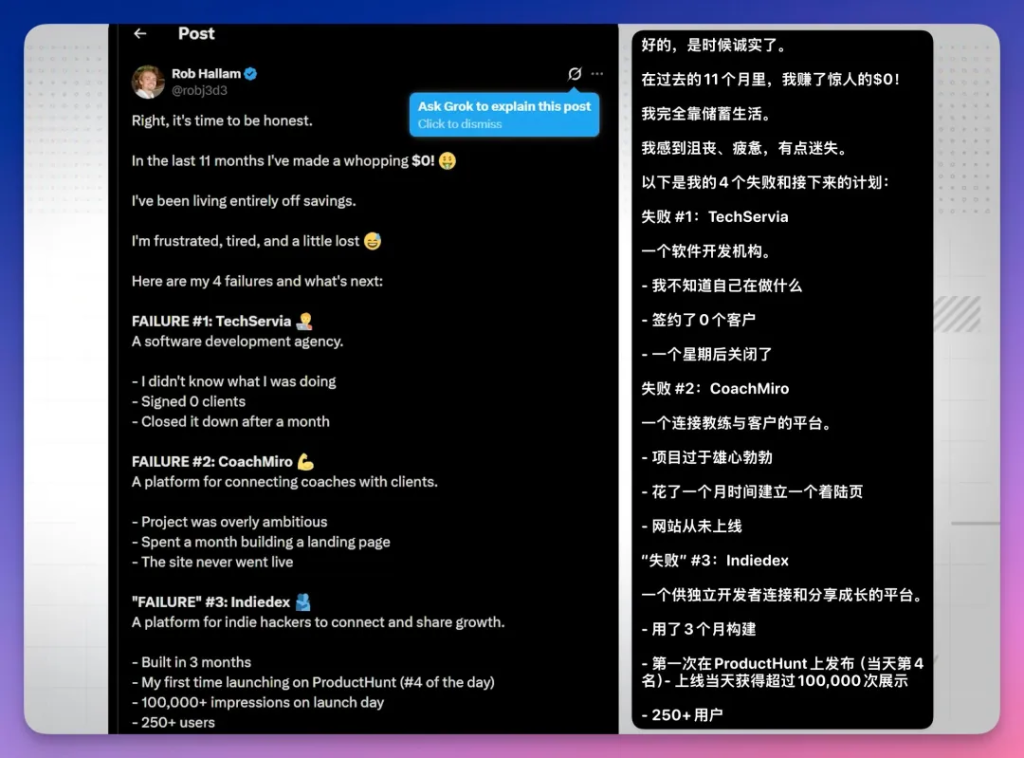
The first idea is something he calls “detachment”.
It sounds strange, but it matters more than most growth tactics.
Most creators try to look impressive.
They want to look successful.
They want to look busy.
They want to look confident.
But this actually makes people trust them less.
Detachment is the opposite.
It means:
- You don’t try to impress
- You don’t push
- You don’t chase attention
You simply share what you’re building and what you’re learning — honestly and casually.
People feel that.
They feel there’s no pressure.
They feel there’s no performance.
And that makes them more willing to follow along.
In the next part, we’ll look at the three big lessons he learned after failing three different projects.
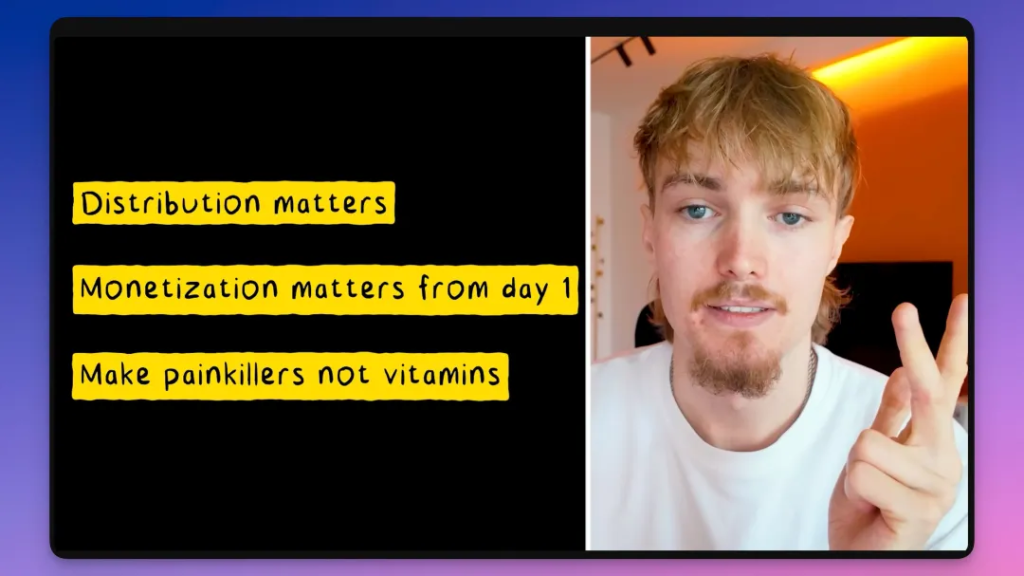
Before this finally worked, he had failed three different projects.
Each one taught him something important.
The first failure showed him this:
People don’t follow products.
They follow people.
No matter how good your tool is,
if people don’t connect with you, they won’t stay.
The second failure taught him:
You can’t disappear for months and then expect people to care.
If you want an audience,
you have to show up consistently — even when nothing is happening.
The third failure made one thing very clear:
You can’t build in silence.
People want to see the process.
They want to see the mistakes.
They want to see what’s actually happening behind the scenes.
These three lessons completely changed how he shared his work online.
And they set the foundation for everything that followed.
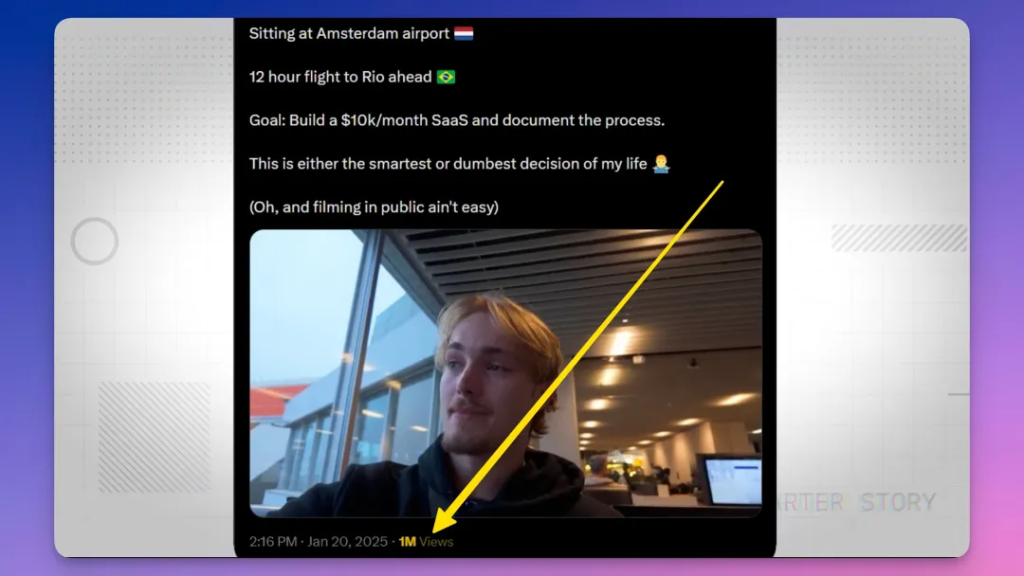
At one point, a single post crossed 1,000,000 views.
That post changed everything.
It wasn’t a clever hack.
It wasn’t a viral trick.
It was simply a clear explanation of:
- What he was building
- Why he was building it
- What problem it solved
That was it.
People shared it because it felt honest.
They shared it because it helped.
And suddenly, thousands of new people found his account.
This proved one important thing:
Clear explanations beat clever marketing.
And it gave him a repeatable way to grow.
<div class=”ahp-flow-card”> <h2>Seven-Step Audience Building System</h2> </div>
He eventually turned everything he learned into a simple, repeatable system.
Not a “growth hack.”
Not a funnel.
Just seven small habits that compound over time.
Step 1: Make It Instantly Clear What You Do
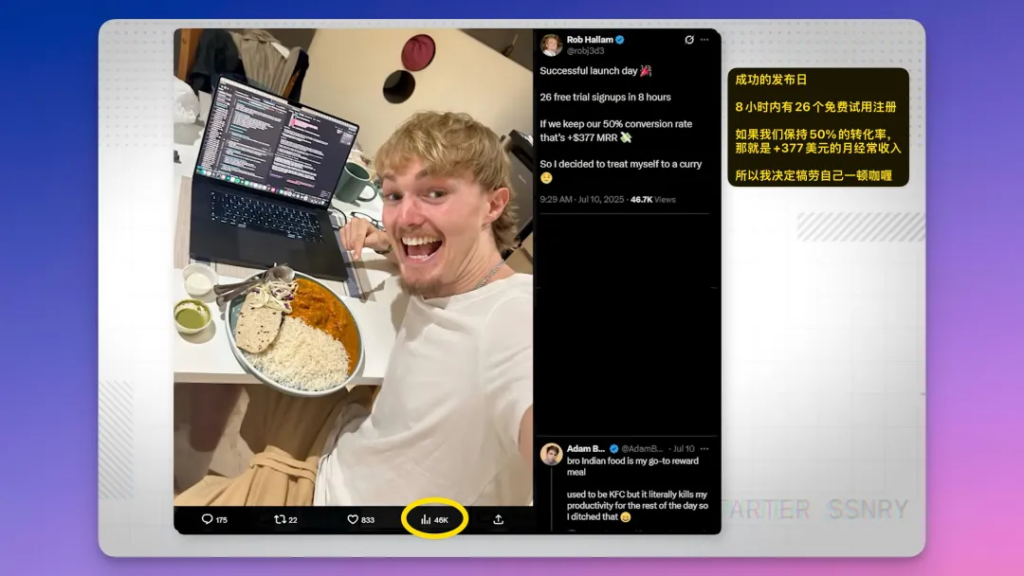
The first step is clarity.
When someone lands on your profile, they should understand what you do in three seconds.
No clever slogans.
No vague positioning.
Just a simple sentence that answers:
- Who you help
- What problem you solve
- What you’re building
If people can’t tell what you do, they won’t stay.
Step 2: Share the Process, Not Just the Results
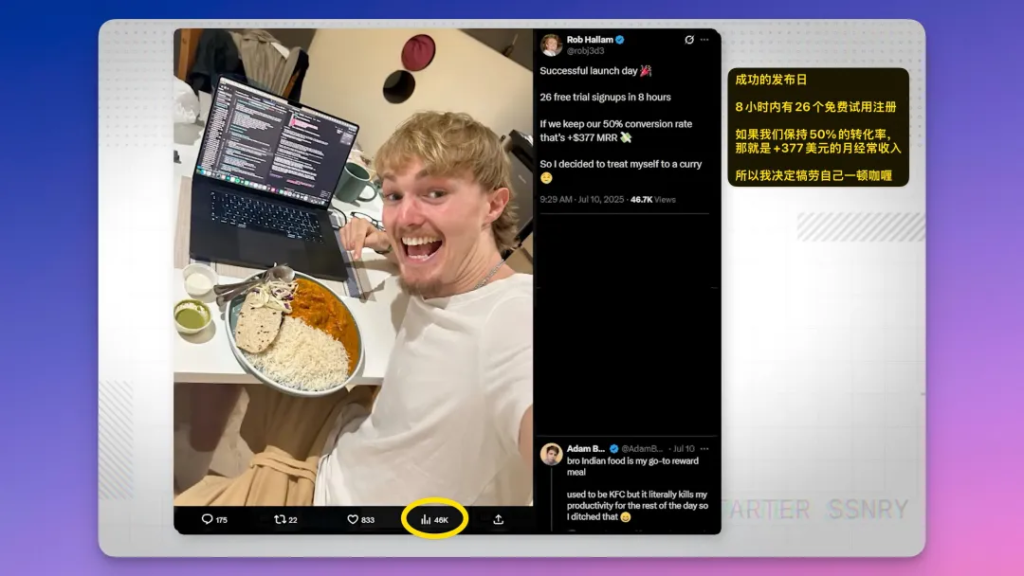
Instead of waiting for a “perfect launch,” he shared small updates:
- What worked
- What broke
- What he was testing
This makes people feel like they’re part of the journey — not just watching a finished product.
Step 3: Teach One Small Thing at a Time
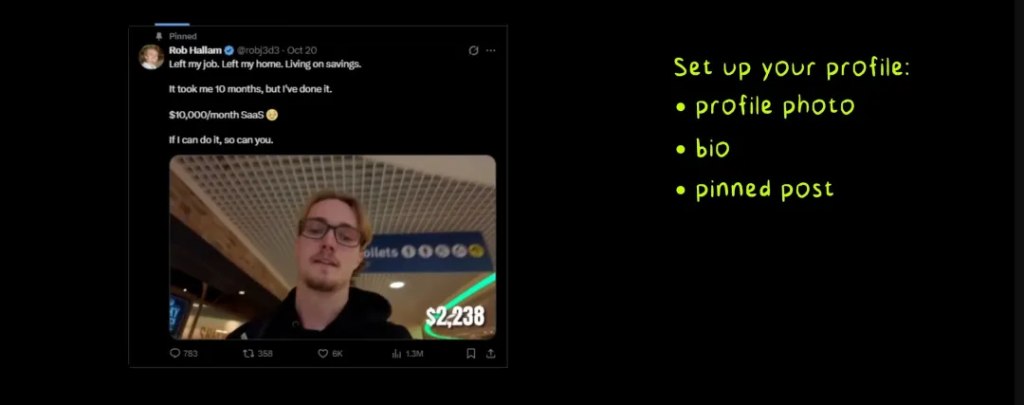
Each post focused on one clear idea.
Not long tutorials.
Not complex threads.
Just one useful takeaway that people could apply immediately.
Step 4: Be Predictable
People don’t follow because you’re talented.
They follow because they know what to expect.
When your posts feel random, people forget you.
When your posts feel predictable, people come back.
He chose a simple posting rhythm:
- Same time of day
- Same content style
- Same core topics
So people slowly built a habit around his content.
And habits are what grow audiences.
Step 5: Repeat What Works
Instead of constantly trying new formats,
he doubled down on what already performed well.
When a post worked, he didn’t “move on.”
He:
- Rewrote it
- Reframed it
- Re-shared it
- Taught it again
Repetition is not boring.
Repetition is how ideas spread.
Step 6: Let People Watch You Build
He didn’t just post tips.
He posted progress.
He showed:
- What he was building
- What he was fixing
- What he was learning
People stayed because they felt part of the journey.
Not because of perfect content —
but because of honest momentum.
Step 7: Turn Attention Into a Simple Offer
At some point, he stopped “just sharing” and added one small offer.
Not a big course.
Not a complicated funnel.
Just a simple product that solved one clear problem.
People didn’t feel sold to.
They felt helped.
Which made it natural for the audience to support the project.
Over time, the system became simple:
- Share your build-in-public journey
- Teach small useful ideas
- Offer one simple solution
That’s how the audience turned into a business.
This entire framework grew one account from zero to 34,000 followers —
without ads, without hacks, and without pretending to be bigger than it was.