


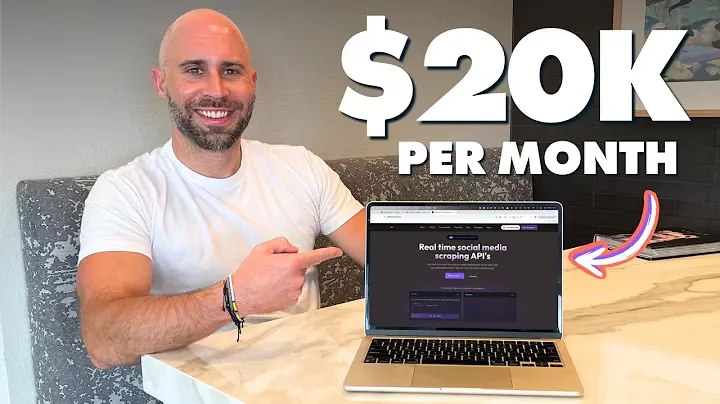
Someone once sold an API for $300,000.
Three weeks later, he quietly built a new one.
Today, that API makes about $14,000 per month.
At first glance, it looks like an overnight success.
But the real story started much earlier — and much messier.
This wasn’t someone chasing hype.
This wasn’t a polished startup launch.
It was just a developer who had been building, failing, testing, and repeating for years.
He shared his experience online.
And one sentence he said stuck with a lot of people:
“If one business model has already been proven to work,
you should seriously study it, break it down, and rebuild it in your own way.”
The API he built later became part of a small but profitable SaaS product.
Some basic numbers:
- Monthly revenue: $20,000
- Monthly cost: about $600
- Customer base: more than 100 paying users
This is not a unicorn story.
This is a small, focused, very real micro-SaaS business.
And that’s exactly why it matters.
In the next part, we’ll look at how this project didn’t start with a grand plan —
but with a simple message sent on social media.
This whole project started from a private message on Twitter.
Someone sent him a short note saying:
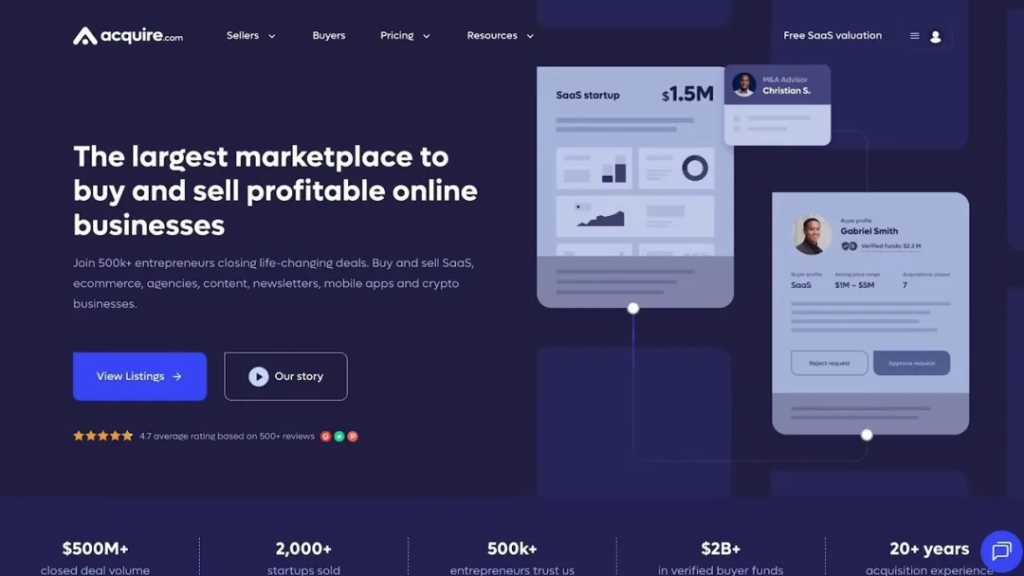
“You should check out MicroAcquire.”
MicroAcquire is a marketplace where people buy and sell online businesses.
Many of the listings there are small SaaS products that are already making money.
When he opened the site, he noticed something interesting.
A lot of products were built around very simple tools —
small APIs, scrapers, data services, and utility software.
Most of them weren’t flashy.
But many of them were already profitable.
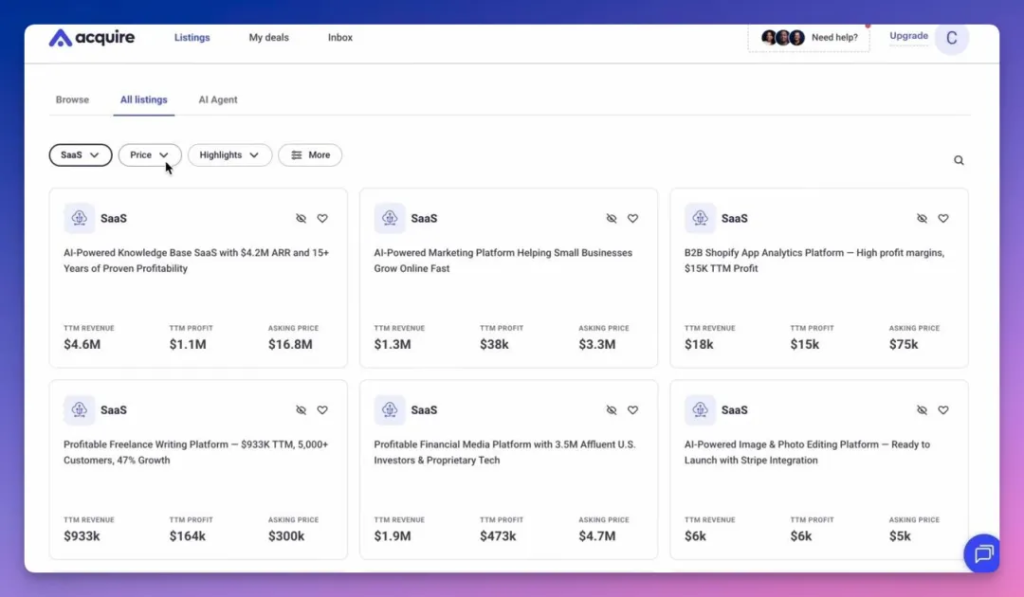
He began browsing through the listings and realized something important:
You don’t need a huge idea to build a business.
You just need a boring but useful solution that someone is already paying for.
At that moment, his thinking changed.
Instead of asking “What big startup should I build?”,
he started asking:
“What kind of small tool are people already buying?”
That question became the starting point of everything that followed.
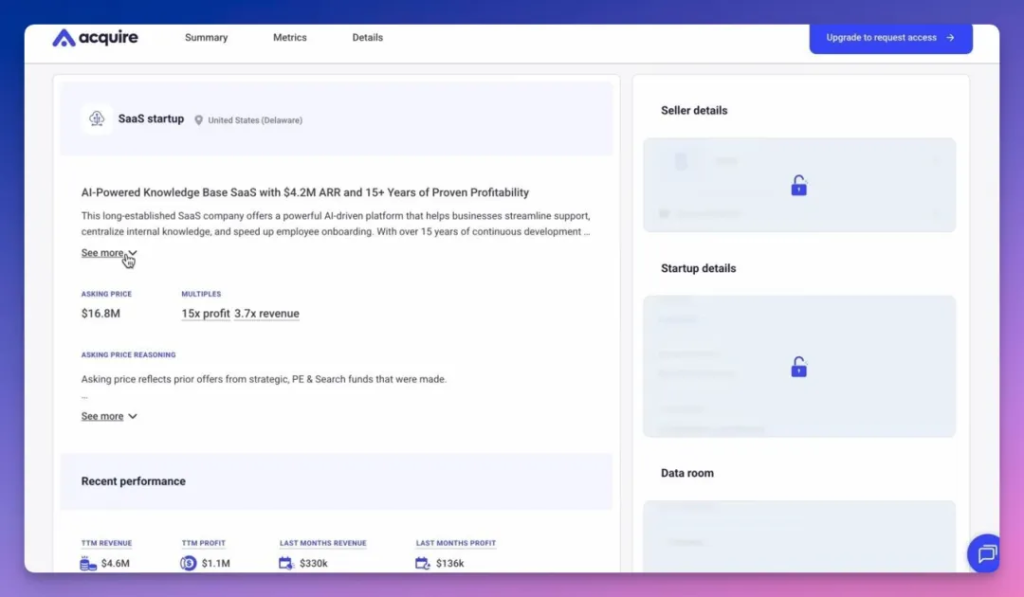
He started analyzing listings one by one.
Not the branding.
Not the design.
He focused only on three things:
- What problem does this product solve?
- Who is paying for it?
- Why would someone keep paying every month?
Very quickly, a pattern showed up.
Many of these products were doing one very specific thing, and doing it well.
No dashboards full of features.
No complex onboarding.
Just a simple API that solved a narrow, painful problem.
That’s when he realized something important:
APIs don’t need to look good.
They just need to work reliably.
If an API saves time, removes manual work, or automates something boring,
people are happy to pay for it — every single month.
This way of thinking completely changed how he looked at product ideas.
Instead of asking:
“What can I build that looks impressive?”
He started asking:
“What small task do people hate doing, and would gladly outsource to an API?”
That question narrowed everything down.
And it pointed him toward one very specific idea.
After narrowing down his direction, he picked a very small problem.
It wasn’t exciting.
It wasn’t trendy.
But people were already paying for tools that solved it.
So he decided to build his own version.
Not by copying blindly —
but by stripping the idea down to its core function and rebuilding it in a simpler way.
He spent a few weeks building the first version.
No landing page.
No marketing.
Just an API endpoint and a basic pricing page.
Once it worked, he quietly put it online.
At the beginning, nothing really happened.
A few users tested it.
Some gave feedback.
Some left.
But little by little, the API started to improve.
It became faster.
It became more stable.
It became easier to use.
And slowly, a few people began paying.
At first, growth was slow.
There were days with no new users.
There were weeks with no new sign-ups.
But something important was happening quietly:
The people who did use the API… kept using it.
They weren’t just testing it.
They were building it into their own tools and workflows.
Which meant once they relied on it, they had no reason to cancel.
Little by little, more developers started finding it.
Not through ads.
Not through launch platforms.
Mostly through:
- Word of mouth
- Small mentions in forums
- Simple recommendations between developers
Every new customer wasn’t just a signup —
it was another workflow that now depended on this API.
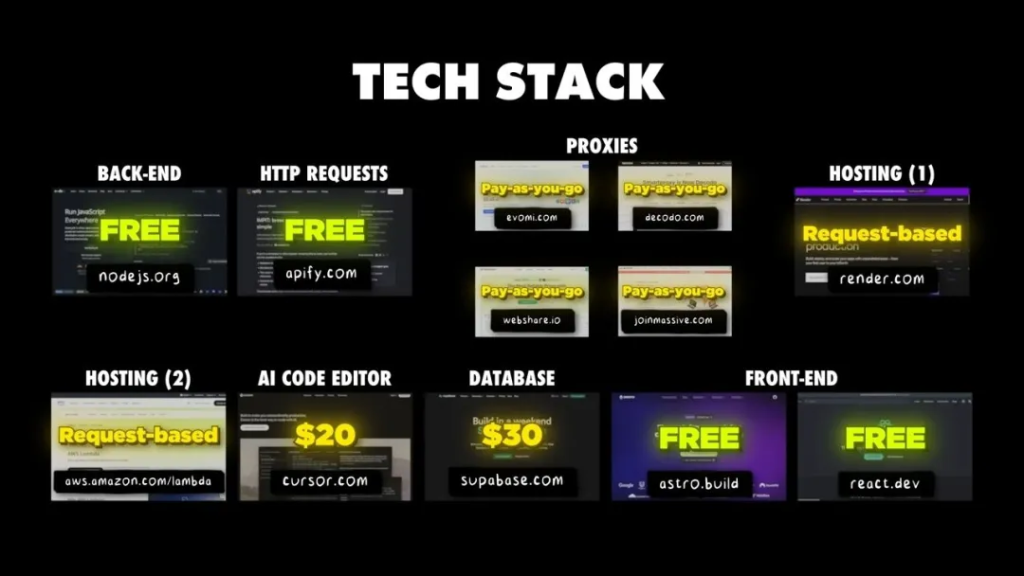
And that’s when the numbers began to move.
Not fast.
But steady.
Every month was a little better than the one before.
Revenue didn’t explode overnight.
It climbed slowly, month by month.
But what made this project special was how predictable it became.
Every new customer added stable recurring income.
Every customer who stayed made the numbers stronger.
At some point, the API passed $5,000 per month.
Then $10,000.
And eventually, it crossed $20,000 per month.
The costs stayed almost flat.
Servers.
Monitoring.
A few developer tools.
Total monthly cost stayed around $600.
Which meant most of the revenue turned into real profit.
At this stage, the business didn’t need:
- A team
- Investors
- Big marketing budgets
It only needed:
- Reliability
- Support
- And slow, steady improvement
He never tried to turn this into a big startup.
There were no pitch decks.
No fundraising rounds.
No growth hacks.
Just a small, focused API that did one thing well.
Today, the product runs quietly in the background of many tools.
Most users never think about it.
They just rely on it.
And that’s exactly what makes it valuable.
This isn’t a story about luck.
It’s a story about:
- Picking a proven idea
- Keeping it simple
- Making it reliable
- And giving it time
That’s how a small API quietly became a $20,000-per-month micro-SaaS business.